
& VETERANS

‘We served together and we heal together’
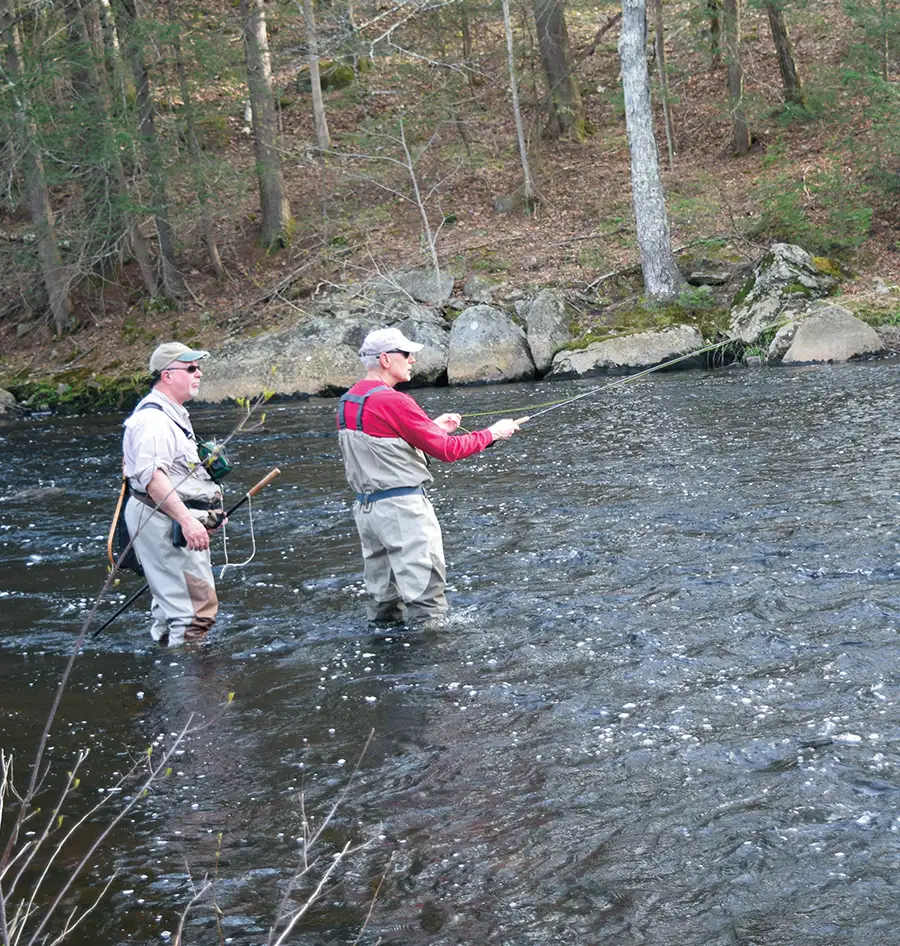
They’re gathered together as part of Northeast Passage’s (NEP) Veteran Recreation Program. As part of NEP’s widely known therapeutic recreation and adaptive sports programs, the organization hosts a continuum of services for Granite State veterans — from group activities like bowling, wood carving or kayaking to individualized recreational therapy services that offer more customized support for health and wellness. For Dix, NEP’s veteran-focused programs are about more than just a chance to warm up his line casting skills after a long winter — they’ve helped save his life.
“It’s been a long haul,” says Dix, who served in the Army for more than 14 years before a medical condition forced him to leave. Severely underweight and depressed, Dix didn’t want to leave his couch. Then, while at the VA Medical Center in Manchester for an appointment 12 years ago, he saw a flyer for NEP’s veteran-focused programs and decided to give it a shot.
He credits Tye Thompson, NEP’s community-based recreational therapy program director. “If it wasn’t for Tye and (NEP), I don’t think I’d still be here. I was in a bad place, and they really helped me out.”
Dix’s experience began with the PATH (Promoting Access, Transition and Health) program, developed by NEP which works with veterans in their homes and communities to create sustainable recreational therapy opportunities for healing and personal growth.
“People come as they are, and our job is to work together to figure out strategies and skills that will help them engage in life in ways that feel meaningful and to find a greater sense of well-being,” Thompson says. “We look at the things that make a person uniquely themselves — the skills they have as part of their military service, their personal history, interests and values. These essential aspects of a person are the things we’re elevating while using recreation as the vehicle.”
NEP’s Veteran Recreation Program is a group-based model of working with veterans and active-duty service members in all circumstances and life stages. Some have disabilities due to combat injuries, while others may be navigating mental health issues. They may be retired and looking for new hobbies or are seeking out ways to get back to their favorite pastimes after an injury.
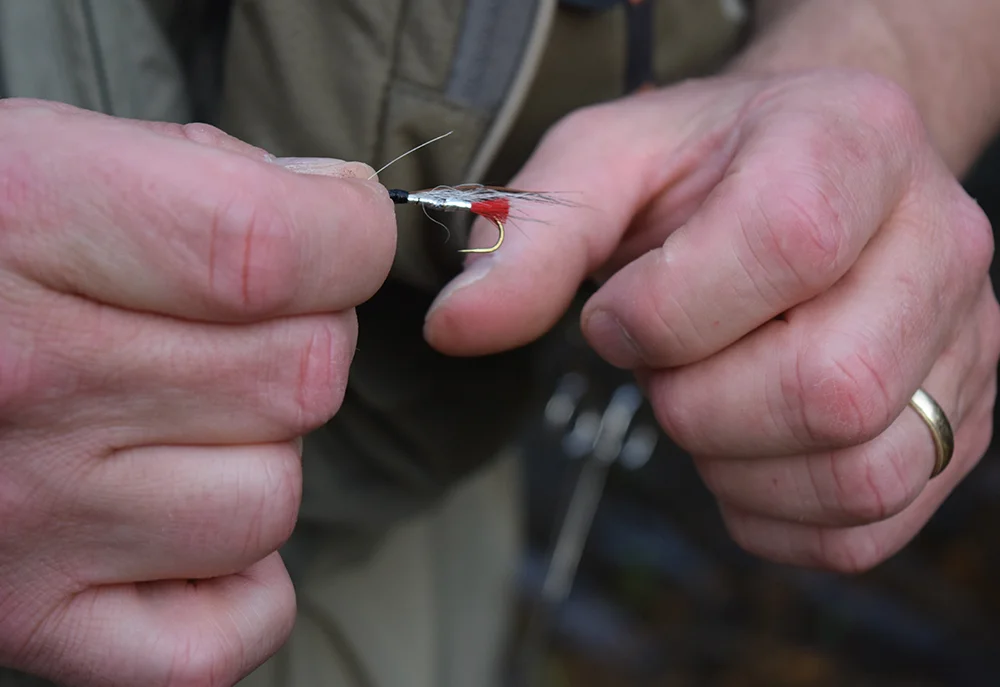
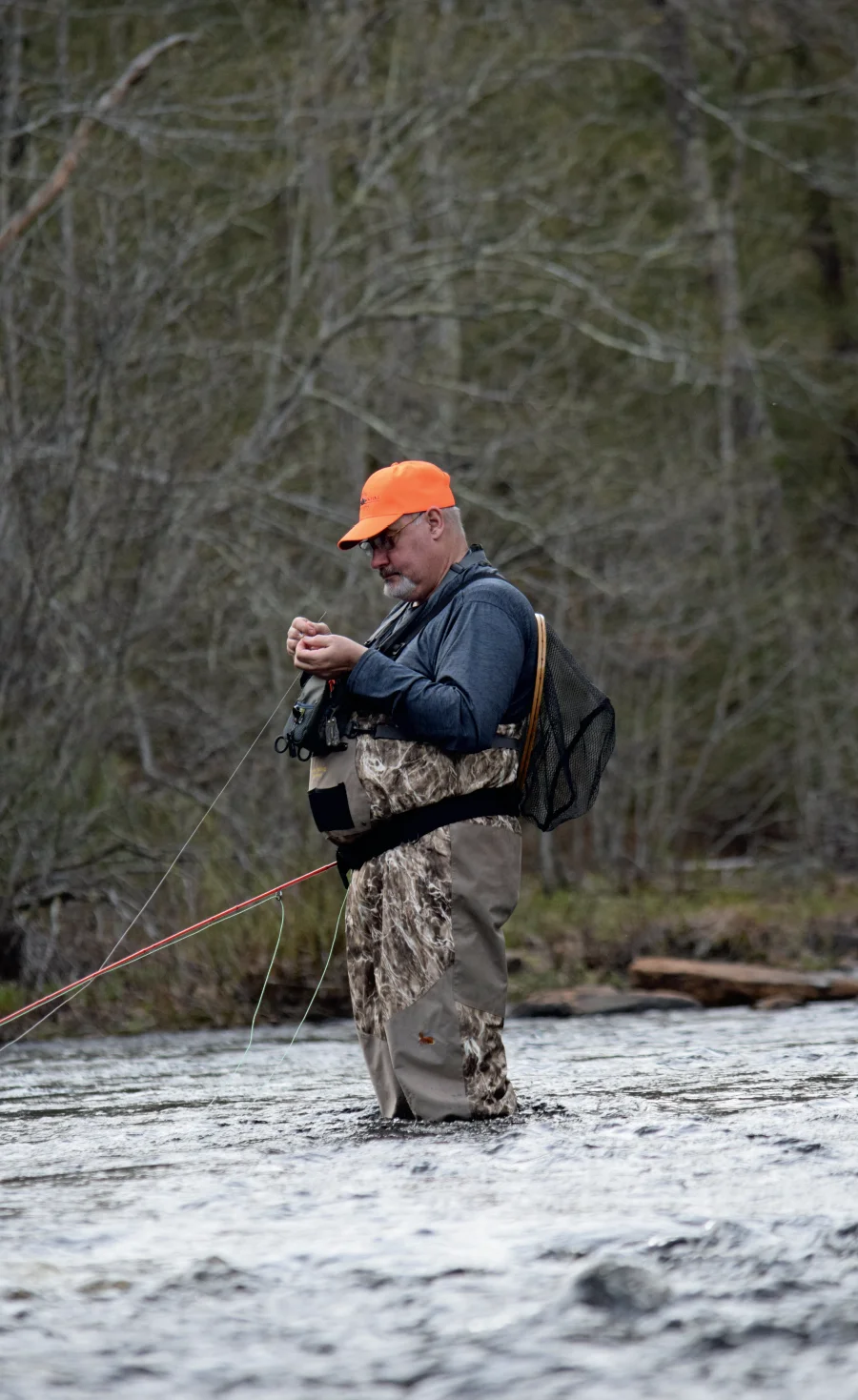
Lisa Begley has been coming to NEP’s Veteran Recreation Program for about a year. During the last few weeks, Begley and other participants have gone through the basics of fly fishing. They learned how to tie flies and are now practicing casts before hitting the water for real. She says the NEP programs have helped her manage her migraines and some of her other health issues, while also learning ways “to just enjoy life and meet new people.”
Begley retired from the Army Reserves in 2024 after almost three decades. The greatest benefit she’s gotten from NEP’s programs is patience, she says. “You work with all different kinds of people and you appreciate the capabilities you have. It gives you hope. … (NEP staff) say, ‘If you can’t do it this way, let me show you another way to be able to do it.’”
For Begley, Dix and the other veterans who participate, NEP’s programs offer a balance of new challenges and familiarity. Dix has learned skills like wood carving (“I started out carving an eagle, but it became a hawk when his beak broke off,” he says with a laugh). He has learned to adapt his pastimes to his physical abilities. “I taught myself how to cast left-handed instead of right-handed because my right shoulder was messed up,” he says.
The familiarity comes from other veterans. “There’s a camaraderie,” says Pam Alton, an Air Force veteran. “My feeling is that we served together, and we heal together. We can have those conversations that no one else understands. This is a group of people I don’t have to explain myself to.”
Those connections have been a lifeline for Dix. In the years since he first learned about NEP, he’s joined the American Legion and the VFW and volunteers with the honor guards in both organizations. Fly fishing, kayaking, wood carving — all those activities get him out of the house and keep him active. But it’s the community of veterans that keeps him going, he says. “Without that, without these guys, I wouldn’t be doing any of this.”