

Finding your grit
“They’ll often say, ‘I don’t have that,’” says Kirylych, interim assistant dean of student success and director of academic advising. “But once we talk through some real-life examples of difficult things they’ve gotten through, they realize they do.”
“Resiliency” and “grit” are not new traits, but they are having a cultural moment, especially at colleges and universities, where students may be on their own for the first time, grappling with classes, career prospects and the dozens of other challenges, large and small, that make up the college experience. And on top of those significant difficulties are the lingering challenges facing the generation of students who navigated the COVID-19 pandemic in high school. The idea of resilience is closely tied, too, to UNH’s newly articulated commitment to well-being and belonging — a key part of the One UNH: Roadmap to 2030 strategic plan.
The good news: Resilience is a skill that can be learned and strengthened over time. We spoke with three UNH experts about how students are developing resilience and skills that Wildcats of any age can use when the going gets tough.
Roots in a Storm
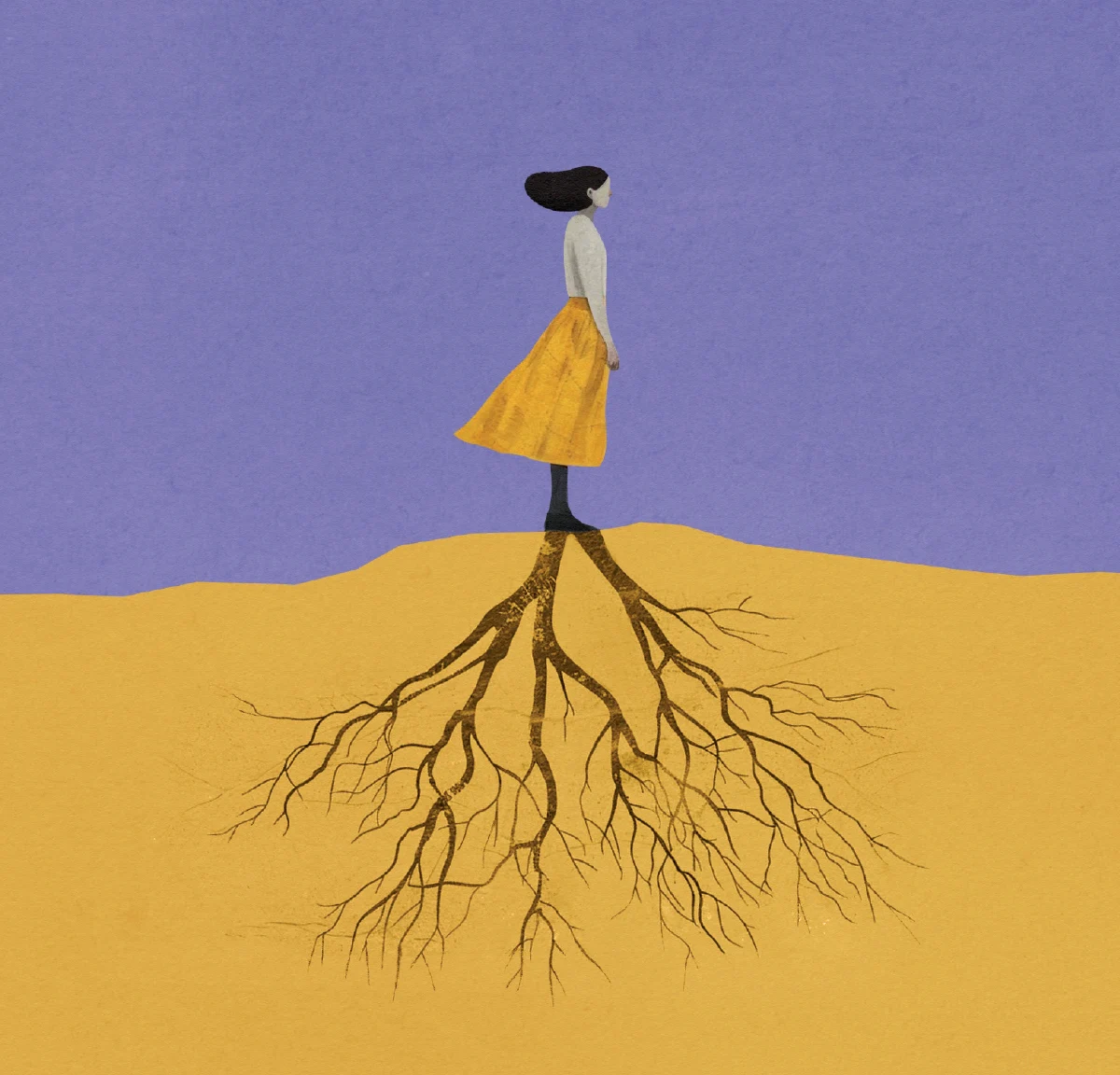
Those roots are resilience, Kirylych says — the network of support systems and coping strategies that keep a person steady in times of strife. “I always stress to students that your ‘roots’ grow and develop. We aren’t born resilient, but we can grow and become more resilient.”
During the COVID-19 pandemic, says Kirylych, the move to online education meant that many students didn’t have the opportunity to navigate the conflicts that come with in-person relationships. During the uncertain years of the pandemic, students dealt with shifting academic and social standards and limited access to resources.
This resulted in lopsided ways of building resilience. “I’ve had students say to me, ‘If there’s another pandemic, I can get through that. But I’m not sure I can get through calculus.’”
Kirylych works with first-generation Wildcats, students on academic probation and other groups who might be at risk of ending their education. She starts every conversation by focusing on a student’s strengths; identifying them, she points out, helps students feel confident that they can move past the next obstacle.
Mindfulness practices are also helpful; even just a few minutes of focusing on breathing can help put a buffer between a person and the stress they’re facing. But perhaps most important is belief in yourself, Kirylych says. “If you look back over your life, you can find a hundred ways that you’re resilient. And once you believe you already are resilient, you just keep getting more resilient.”
Self-Care, Going Beyond
“Resiliency means not disengaging, not numbing out or being pulled down by the experiences in your life,” Glutting says. The principle is the same for those outside the field. “How do you refocus on the things you can manage versus the things out of your control? The goal isn’t to not feel distress but to feel tolerance for distress.”
“Self-care” is often pitched as an important part of resilience, but Glutting stresses that there’s more to it than “a bubble bath and paint-your-toenails kind of thing.” She breaks down self-care into different buckets: intellectual, emotional, physical, creative, social, nutritional and spiritual/existential.
Maintaining resilience means pulling activities from each of these categories. Playing basketball might fill someone’s physical and social needs; having a good meal and talking with a close friend might tick the nutritional and emotional boxes. “The idea of having a variety of options is really important, as is thinking about the things that really work for you without judging yourself,” Glutting says. Part of that no-judgment attitude is realizing that self-care strategies on their own aren’t a quick fix for big challenges. A bubble bath might help you deal with a bad day at work, but it won’t soften the heartache that comes with a significant loss. “It’s like a water pistol on a forest fire,” Glutting says.
Passion and Perseverance
“Resilience doesn’t happen in isolation,” says Eberl, who received her M.Ed. in counseling at UConn in 2008. Part of her programs involve bringing youth together around a campfire to talk about the difficulties they’re trying to overcome. A young person whose parents are going through a divorce might find comfort from someone else who previously went through it. Talking about shared experiences builds the kind of strong roots that foster resilience. “It’s something that’s shared — it helps you feel less alone with an experience and gives you some context for what you can overcome.”
Eberl points to psychologist and author Angela Duckworth’s book “Grit” as a useful framework for resilience. “Duckworth talks a lot about passion and perseverance, which are the two pillars of grit,” she says. For students, that can take the form of identifying strengths and interests, then finding commonalities between those things and the challenge they’re facing. “That passion can help someone take a leap,” Eberl says. “That lesson is imperative for all ages: to step into discomfort and trust that it’s part of the process.”