

Memories & Meaning
Kai Uchida
Milne Special Collections and Archives
University Archivist Kai Uchida explains how, 100 years after graduating from UNH, Virgil is showing us that in the ordinary and the everyday, we find the extraordinary and beautiful.
Memories & Meaning
Kai Uchida
Milne Special Collections and Archives
University Archivist Kai Uchida explains how, 100 years after graduating from UNH, Virgil is showing us that in the ordinary and the everyday, we find the extraordinary and beautiful.
Handling acquisitions like these is one of the ordinary parts of our job, but as I scanned the message regarding the proposed donation, I stopped suddenly at the name of the prospective donor: Elizabeth Virgil.
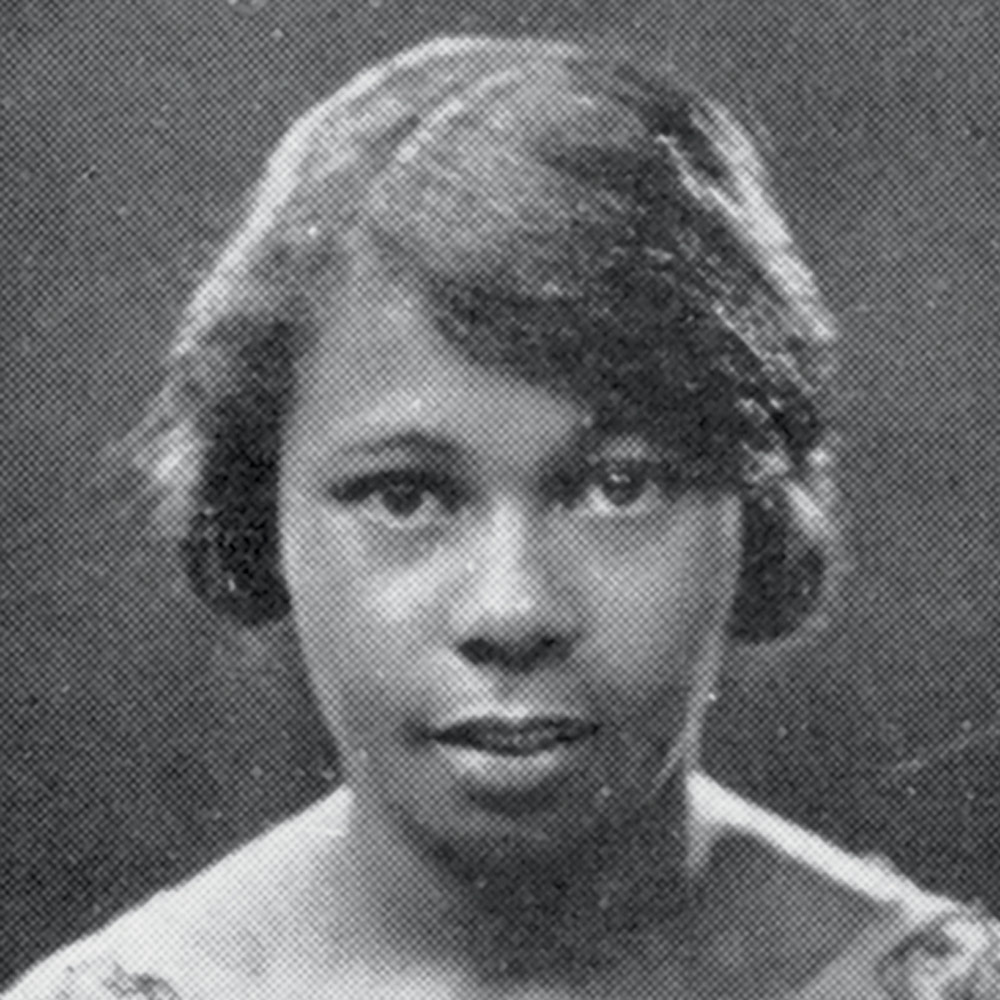
Despite her intelligence and her academic success at UNH, the lack of teaching positions available to Black women in New England meant that Virgil had to move to the South to work as an educator. She taught at schools across the South until she was forced to give it up in order to take care of her ailing mother. She moved back to the Granite State in the late 1930s, where she worked at a variety of jobs, including as a secretary and an appliance saleswoman, and finally returned to UNH as a typist in the soil conservation department in 1951. She spent more than two decades in that role before retiring in 1973. In 1991, shortly before her passing, Virgil’s pathbreaking contributions to UNH were commemorated by the establishment of a scholarship in memory of her mother and by a painting of her that now hangs in Dimond Library — something I and hundreds of library users walk by every day.
Virgil’s story has been properly recognized as important to the history of UNH. We could, of course, locate her in yearbooks, find evidence of her graduation, confirm she worked in the soil conservation department. We even have some recorded footage of the reception in 1991 that honored her achievements. We know her story by the facts and figures documented by others.

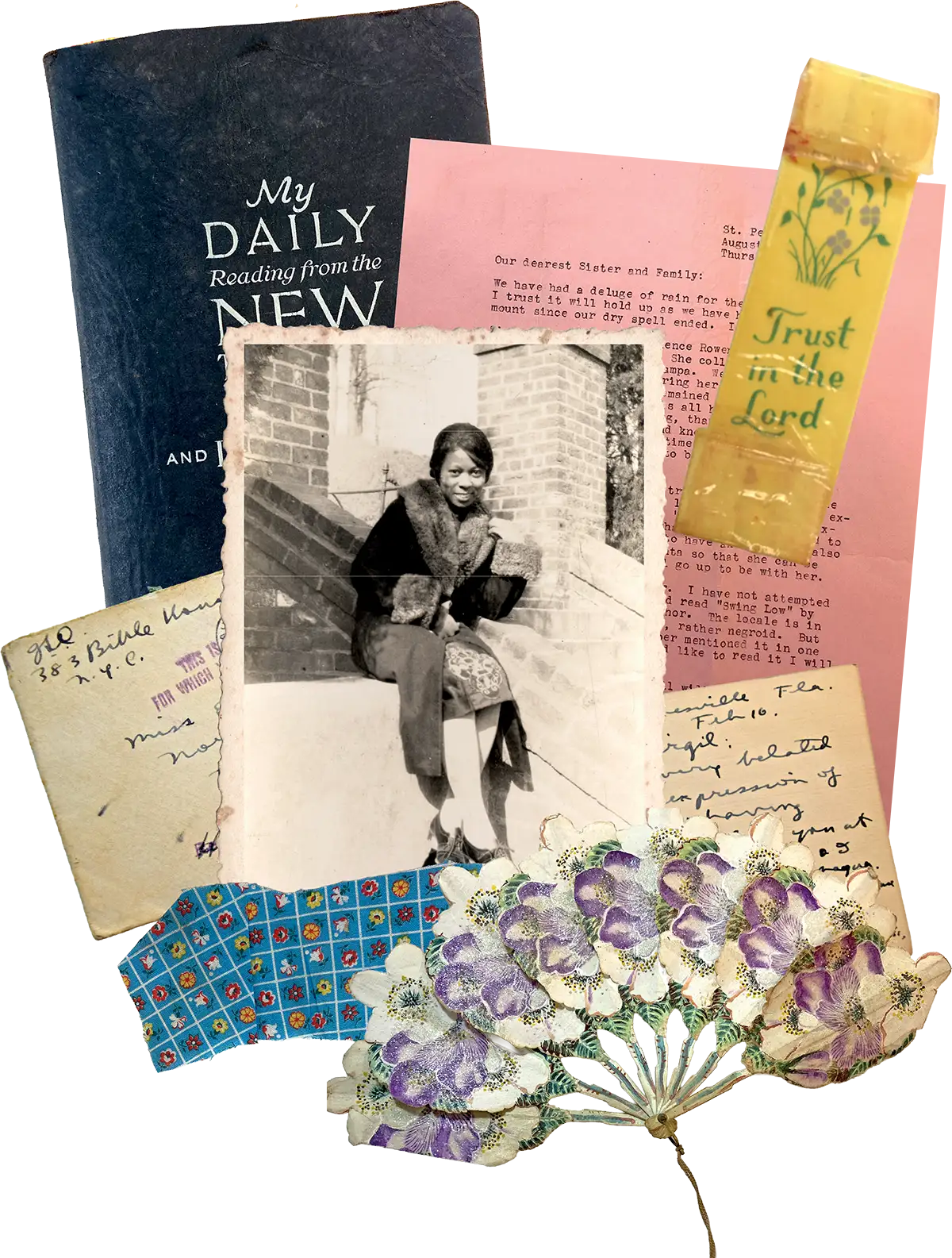
To me as an archivist, this story is both heartwarming and nerve-racking — the latter, because if not for the interest, curiosity and action of those neighbors, this precious addition to our archives would have been lost. A house cleanout can be a busy time for any family, and what if they had been distracted by another part of the project? Or what if a helper hadn’t been as inquisitive about the historical value of Elizabeth’s box of letters and other papers? With many personal collections, their survival as even a fragment of their whole is a rare constellation of occurrences. They include near misses, good fortune and a case of serendipity that connects the right people to the right place at the right time. After I was unable to contact Virgil’s family, I felt relief in knowing that if we couldn’t place them with her next of kin, we would be an ideal destination for their long-term safekeeping.
Providing a rich educational and social experience to students serves as a foundational goal for a university, but it is difficult to capture the interior lives, perspectives, experiences and histories of a group whose primary purpose is to graduate and leave the institution, growing far beyond the four years of their educational experience. We have important and widely accessible evidence of student voices through our collection and digitization of The New Hampshire student newspaper and have accumulated organizational records of student groups through donations, but it is rare that we find a collection that focuses on a singular voice that rises above the collective hum of campus — and it is incredibly exceptional when that group of manuscripts points to their time enrolled at UNH, their experiences after graduating and their presence in the campus community during their later life.
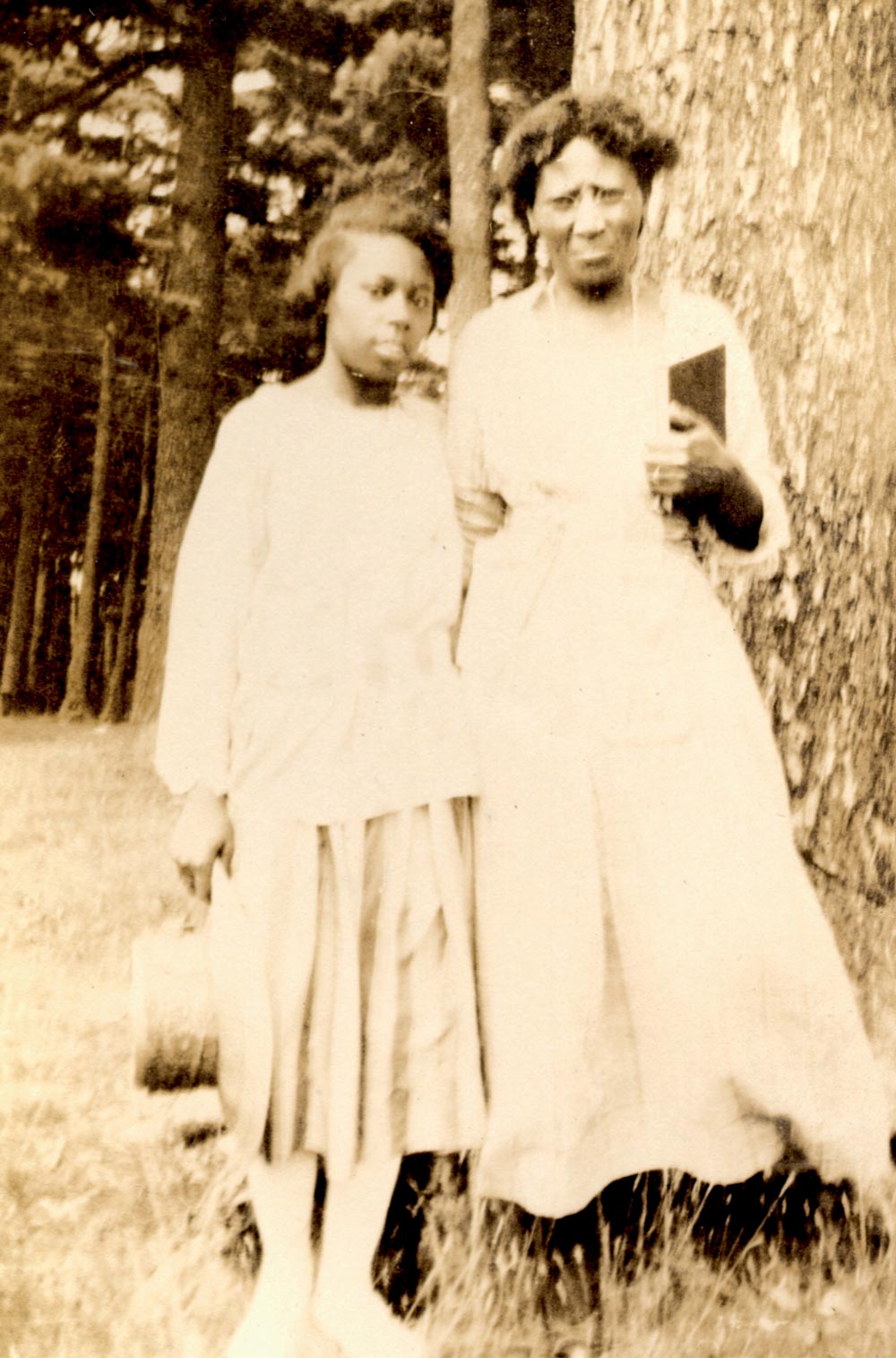
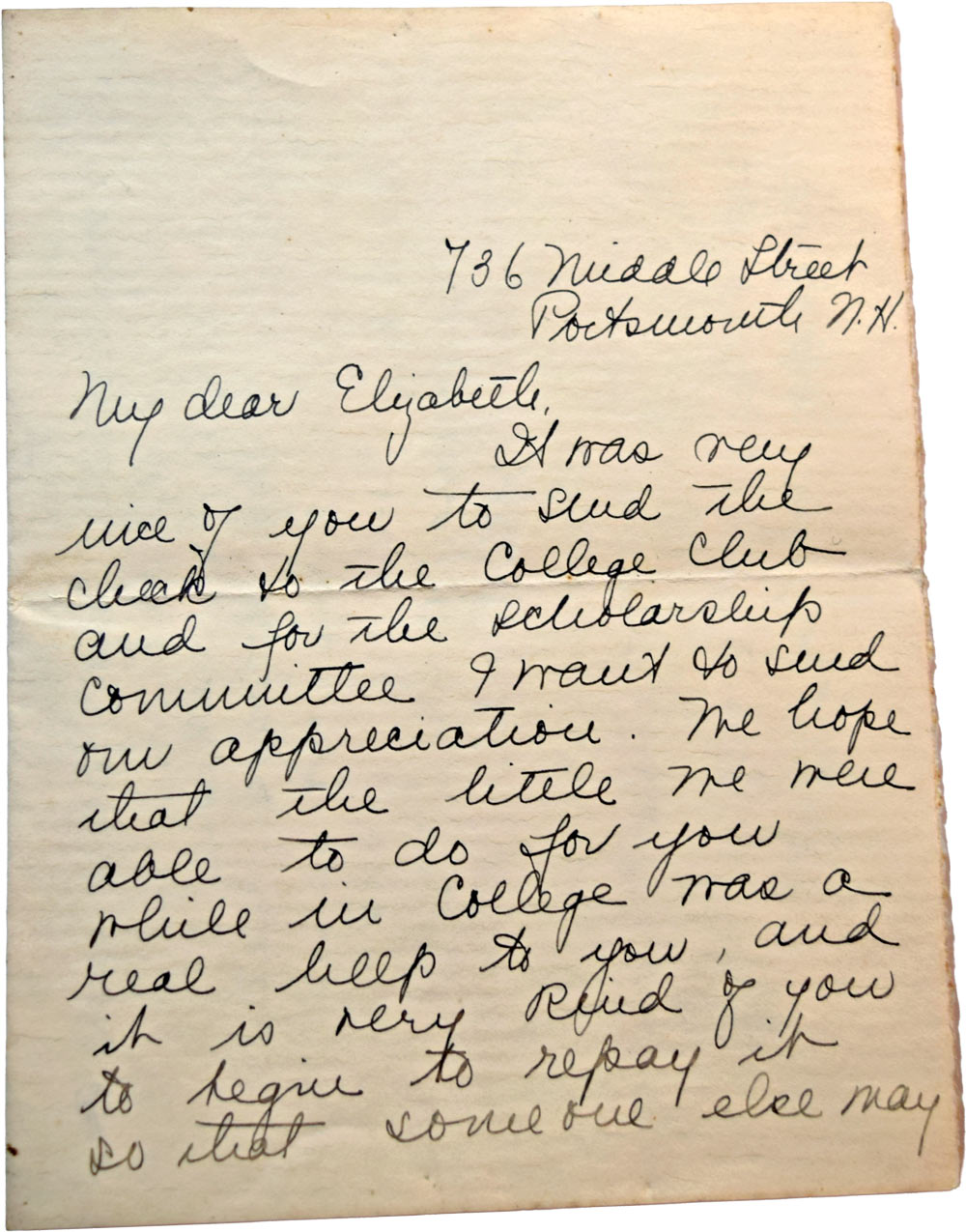
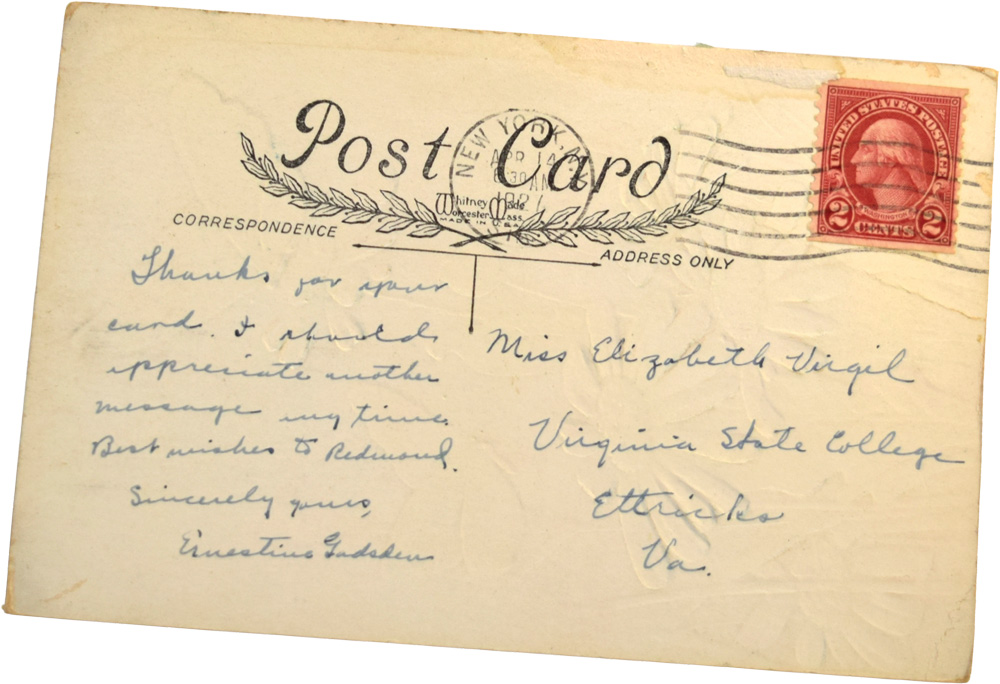
Elizabeth’s practice of resilient love over distance and time emerges in several of the letters written to her. While we have only half of these conversations contained in the collection — letters she received, not letters she wrote and sent — the sentiment that emerges from the detailed responses from family members, close friends and loved ones takes shape around a central theme: the overwhelming sense of admiration and respect her family and others had for her. The letters imply that they so wanted Elizabeth to be proud of them, foregrounding the central role she took as matriarch of the family. They seek her approval, affection and well-wishes as children are born, new jobs begin and her network of family resettles across the United States. In one letter signed by her brother, Minister C. R. A. Banks, in April 1942, he speaks about his family’s ongoing residence in St. Petersburg, Florida, and the construction of Black neighborhoods in the city. He writes, “It would fill your heart with joy to see the housing projects for our race in Florida, they are beautiful. Plenty of space and with all the tropical shrubbery, they are paradise.” He goes on to describe a first aid course he is taking to support homefront war efforts and implores her to confirm that she is receiving his church newsletter. He hopes for a future visit from Elizabeth.
In this letter and in dozens of others, Elizabeth Virgil emerges as a multidimensional and deeply caring woman. We are introduced to her as Elizabeth, the earnest student and the trailblazing graduate of UNH, but we also get to know her as “Betty Ann,” a caring and loving sister asking after her sibling’s training as she attends Nannie Helen Burroughs’ famous National Training School for Women and Girls in Washington, D.C. We learn about Ms. Virgil, a highly educated Black woman living in northern New England, who makes the brave choice to walk against the tide of the Great Migration of African Americans to find work in her chosen educational profession in North Carolina in the 1940s, only to have to forsake her dream of teaching to return home to care for her mother. Finally, we observe her as respected Portsmouth community member Elizabeth Virgil, retired employee of UNH and member of the Pearl Street Church in Portsmouth, singing in church choirs and choral groups across the New Hampshire seacoast and southern Maine.
I ask this because I want students to understand their role not only as sculptors of their own educational, social and professional lives but also as foundationally important actors in the story of our university’s history. Their participation in student groups, athletics, protests and their majors all become important to the complex narrative of UNH. The connections they make with one another figure as an important feature of any college experience as they live, work and prepare themselves for the next phase of their lives.
The very best archives of higher education are those that tell stories about every part of its institution, not simply its historic dates or administrative history. They encapsulate everyone — and can tell every kind of story. In our repository, we now have the opportunity to host a multidimensional, personal, complex and fragmentary story about Elizabeth Virgil and her family in ways that connect to a broad constellation of historical events and trends at various levels of scale in Black history, state history and personal history.
With new stories and perspectives added every day, archives thread a profound connection between the students of our public university and the larger history of higher education in the United States. Elizabeth Virgil figures as one prominent example of what the university archives seek to create and build to tell complex, multifaceted stories about the proud history of UNH. We seek to build collections and perspectives that represent students, faculty, staff and administrators from all walks of life and tell a piece of their unique contributions and experiences at UNH.
In closing, I ask alumni a similar question to what I ask current students: Beyond yearbooks, lettermen’s sweaters and fraternity canes, what part of your time at UNH represents your experience? Is it a scrapbook? Perhaps papers from a student organization you ran? A foundational part of campus history in which you participated? What keepsake, letter or treasured memory is part of your greater history?
I look forward to finding out.