

State Support

UNH research directly benefits New Hampshire people and places
Story By
Beth Potier
Director of Research Communications

New Hampshire lakes use UNH’s Lakes Lay Monitoring Program.
Protecting Our Lakes
Lake life: In New Hampshire, it’s not just a vibe, it’s big business, attracting millions of visitors and seasonal residents to the state each year. While factors like development and a changing climate make it more challenging to keep the lakes clean, 120 of them have a secret weapon: UNH’s Lakes Lay Monitoring Program (LLMP).
Since its founding in 1979, the UNH Extension effort has trained and engaged more than 1,000 citizen-volunteers — often homeowners on those lakes — to monitor lake health. These volunteers work alongside Extension staff, researchers and UNH students to regularly sample lakes for temperature, transparency and more complex chemistry.
As increasing pressures from human activities threaten the health of lakes, volunteers are a force multiplier of lake health, providing essential on-the-ground insights to UNH scientists. And the LLMP, in turn, can tap decades of historical data to help lake associations manage those resources for future generations.
“You can really protect a lake by just knowing a little bit about it,” says program director Amanda McQuaid.
Keeping Us Healthy
If you or a loved one suffers a cardiac emergency, has a baby or seeks care for a mental health crisis, crunching data will be far from your mind.
But data — Who’s paying for care? How long is the patient staying in the emergency room? How quickly and completely do patients recover? — is at the root of high-quality health care. To analyze that data and put it to tangible use, the state of New Hampshire often turns to UNH’s Institute for Health Policy and Practice (IHPP).
“We have a unique agreement with state government to support many different technical assistance and applied research needs in collaboration with various programs for the state,” says Laura Davie, the institute’s interim director. As such, the institute provides far more than data analysis and policy recommendations: It offers trainings, convenes practitioners and agencies to promote best practices, and even hosts the state’s maternal and child health epidemiologist.
The IHPP is also helping to fill the state’s need for advanced nursing care in rural areas. With more than $3 million in federal grants, its Advanced Nursing Education Workforce (ANEW) program provides funding for primary care family nurse practitioner and psychiatric mental health nurse practitioner students training in rural and underserved communities, helping nurses advance their education while serving where they live. Since its inception in 2019, 57 graduates have completed the ANEW program, which is also overseen by UNH’s School of Nursing.
Safe Swimming
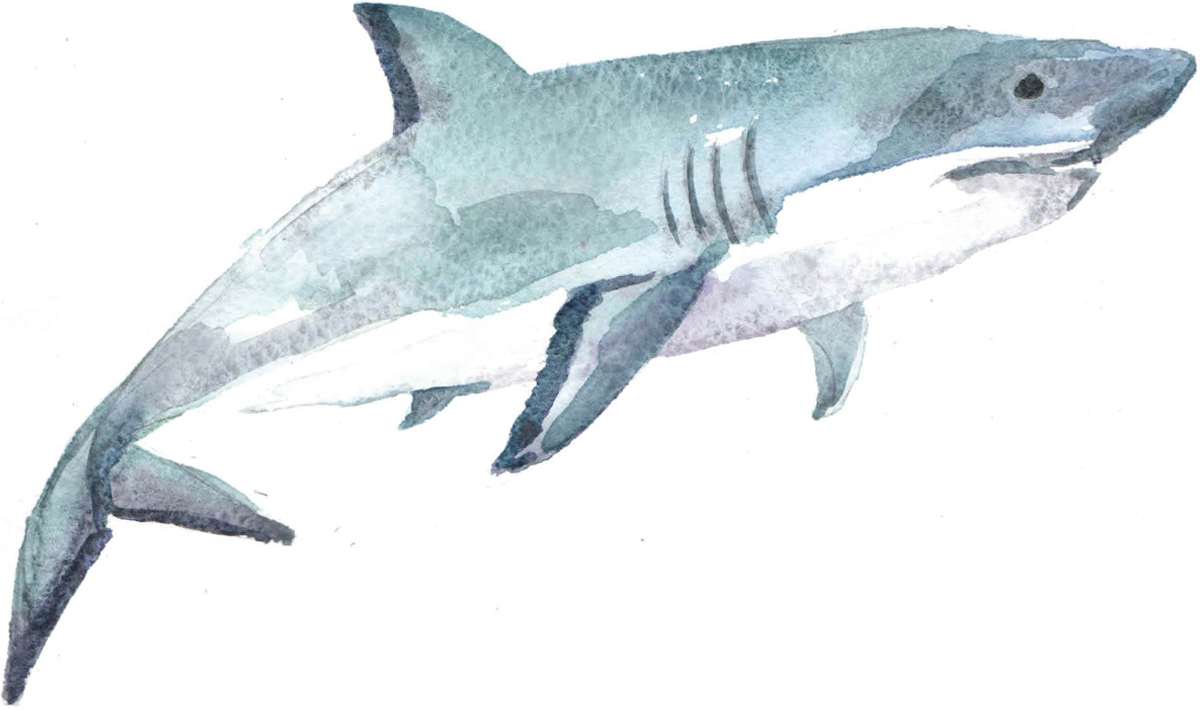
If you celebrated the 50th anniversary of the release of the movie “Jaws” last summer, or if you can easily recognize the movie’s famous theme song, or if you just want to know that “it’s safe to go back in the water,” UNH has you covered. UNH researcher Nathan Furey has partnered with the town of Hampton for the past few summers to place acoustic receivers in the ocean to monitor local shark activity.
“Every summer we do detect a handful of sharks, but one of the things we’ve learned is they don’t tend to hang out very long — we tend to detect them for only up to 10, 20, 30 minutes,” Furey, associate professor of biological sciences, says. “To me that implies that they are largely just swimming by.”
UNH’s collaboration with Hampton has proven to be a mutually beneficial arrangement for both the sharks and the millions of beach-bound visitors who come to the Granite State each summer. “It’s been an outstanding partnership,” says Patrick Murphy, chief of New Hampshire State Beach Patrol, of the connection with UNH. “It’s about how we can make people’s day at the beach safer, along with how we can keep ecosystems running how they should be.”
Solving the Child Care Crisis
The data on child care’s steep costs, likely unsurprising to families and caregivers of young children, are from a new initiative led by UNH’s Carsey School of Public Policy. The New Hampshire Early Care and Education (NH ECE) Research Consortium aims to inform policy and action toward a more robust early childhood education system in New Hampshire.

how much families with young children are paying on average for child care annually.
With a multiyear grant from the Couch Family Foundation, the NH ECE is coordinating a group of researchers and practitioners across the state to solve the problem.


people each year visit New Hampshire’s White Mountain National Forest to hike, ski, leaf-peep, camp and enjoy its rugged peaks and scenic vistas. That’s more visitors than either Yosemite or Yellowstone national parks, and those nature lovers are a significant driver of the state’s $4 billion outdoor recreation economy.
The Great Outdoors for All
To better understand who’s coming to the White Mountain National Forest, what they’re doing, where they’re spending money and what they need, the USDA Forest Service turns to UNH. For more than a decade, researcher Mike Ferguson has partnered with the Forest Service to collect visitor data that informs decisions around staffing, trail maintenance, infrastructure investments like signage — and ultimately allocation of federal dollars.
It’s research “that truly drives decisions impacting people across the state — from hikers and campers to entire communities and regions,” says Ferguson, associate professor of recreation management and policy. “It influences everything from outfitter guides and retail sales to local restaurants and the broader regional economy.”
Growing Food, Growing Farms
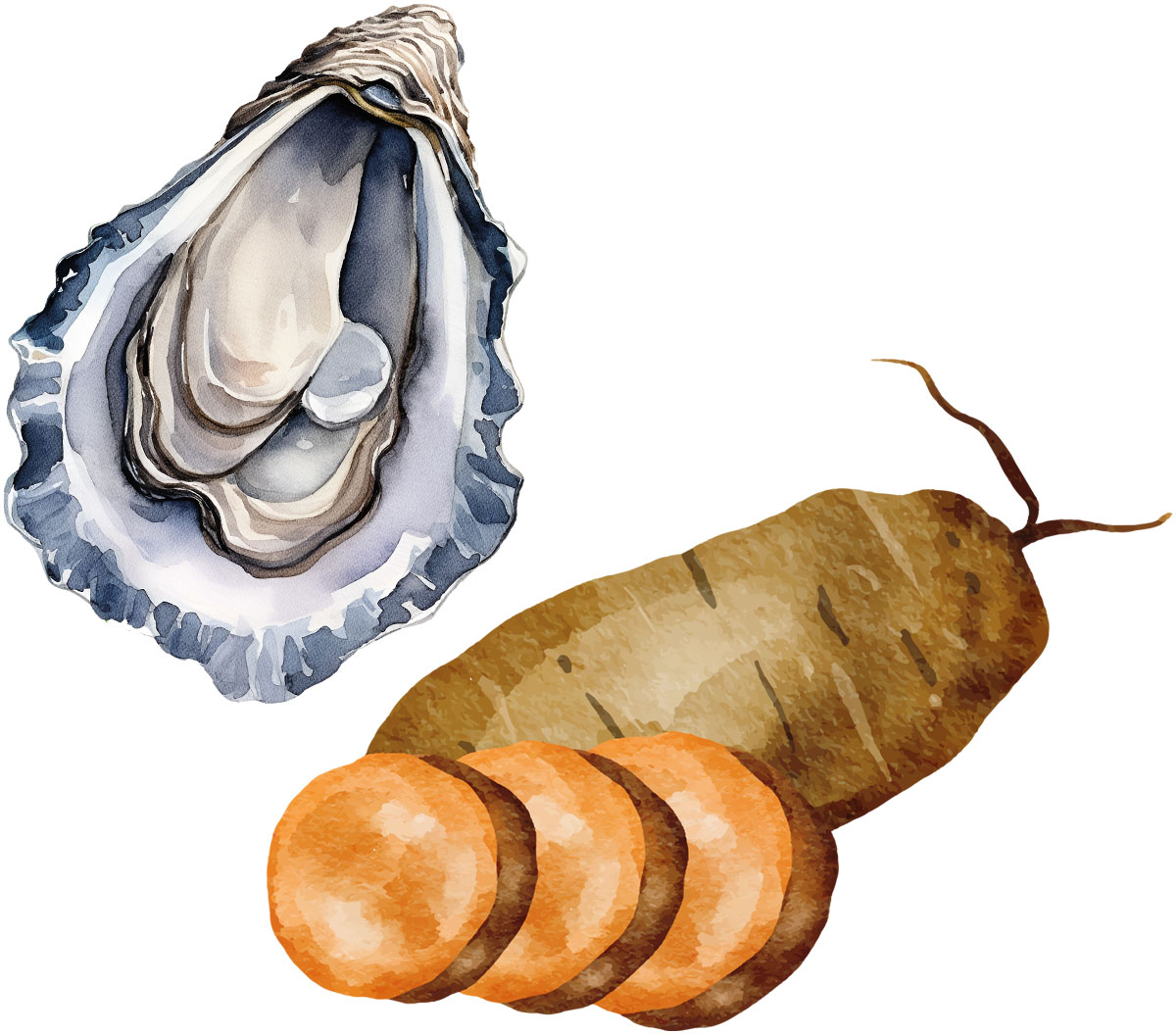
For decades, researchers with UNH and NH Sea Grant have worked to revitalize New Hampshire’s once-thriving oyster fishery, probing the myriad factors for success: What gear and practices are ideal for oyster aquaculture? How can we detect and prevent diseases that can sicken oysters and us? Will Great Bay’s wild oyster population rebound if oyster reefs are restored? Their work has paid off: New Hampshire’s $4.8 million oyster industry has grown more than 1,000% since 2013. Twelve businesses harvested oysters in New Hampshire in 2024.
Back on land, UNH is breaking new ground with sweet potatoes bred to thrive in New England’s shorter growing seasons. For 15 years, Becky Sideman, professor and chair of the Department of Agriculture, Nutrition, and Food Systems, has collaborated with local producers to try out new varieties and methods for this Southern staple. The goal: to help farmers in the region diversify their crops and tap into a growing market. Yields and crop values for sweet potatoes have increased 98% since Sideman began this work.
“Becky has given us valuable insight on everything from selecting the best varieties and spacing our plants to mitigating damage from grubs and curing our crops post-harvest,” says Bruce Wooster of Picadilly Farm in Winchester.